Get Consultation from Experts
First Chat Free
Sign In
Enter your mobile number to continue
By signing in, you agree to our Terms Of Use and Privacy Policy
Download Our App For Better Experience


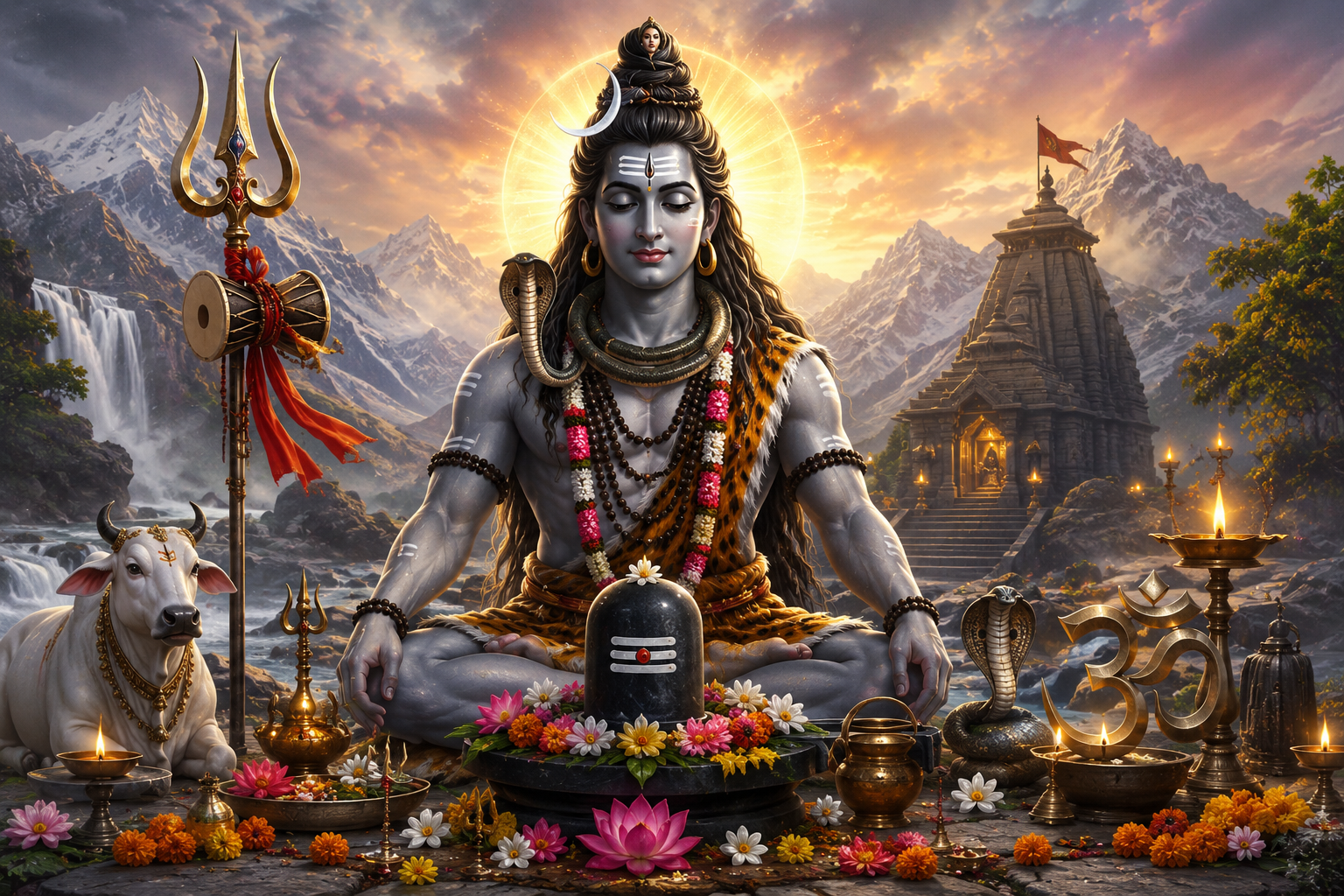
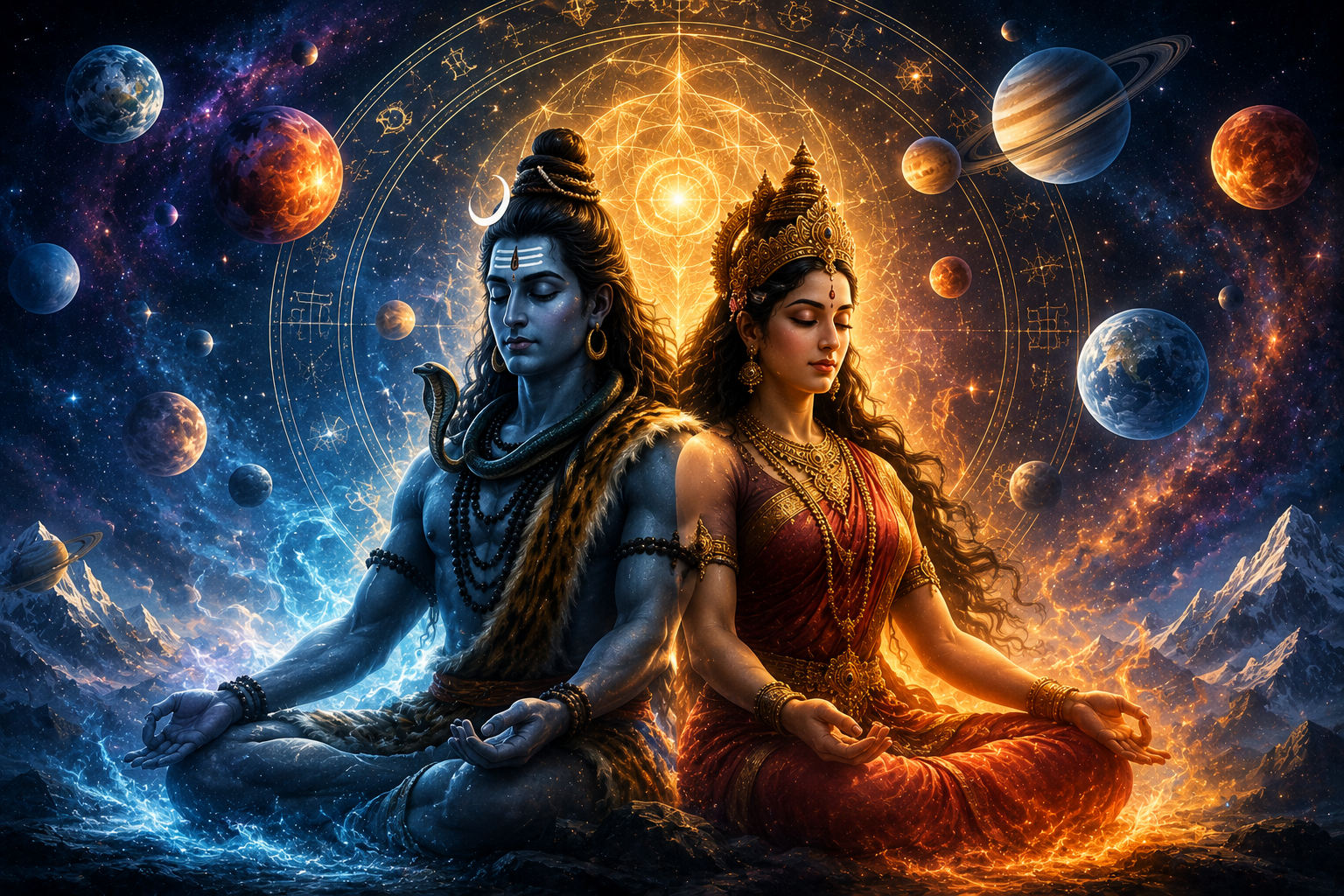
Lord Shiva, also known as Mahadev, is one of the most powerful and revered deities in Sanatan Dharma. Worshipped as the destroyer and transformer of the universe, Shiva represents meditation, inner peace, strength, and divine consciousness. He is a part of the holy Trimurti alongside Lord Brahma, the creator, and Lord Vishnu, the preserver.
Unlike other gods who are often associated with luxury and royal appearances, Lord Shiva lives a simple and ascetic life on Mount Kailash. Covered in ashes, wearing a tiger skin, holding a trident, and meditating deeply, Shiva symbolizes detachment from worldly desires and connection with spiritual truth.
For millions of devotees, Lord Shiva is not only a deity but the ultimate source of energy, protection, and liberation.
The word “Shiva” means “The Auspicious One.” He is believed to be beyond birth and death, representing the infinite cosmic force that creates, protects, and transforms the universe.
Lord Shiva teaches humanity that destruction is not always negative. Sometimes, destruction is necessary to remove evil, ego, ignorance, and negativity so that new beginnings can emerge.
Every aspect of Lord Shiva’s appearance carries deep spiritual symbolism.
Lord Shiva’s third eye represents wisdom, higher consciousness, and the power to destroy evil. According to legends, when Shiva opens his third eye, negative energies and illusions are burned away.
The moon on Shiva’s head symbolizes calmness, balance, and control over time and emotions.
The holy river Ganga flows from Shiva’s matted hair, representing purity and divine energy. It is believed that Shiva controlled the powerful flow of Ganga to protect Earth.
Shiva’s trident represents the balance of mind, body, and soul. It also symbolizes creation, preservation, and destruction.
The serpent symbolizes power, fearlessness, and control over desires and ego.
Lord Shiva is called Neelkanth because he consumed deadly poison during the churning of the ocean (Samudra Manthan) to save the universe. The poison turned his throat blue.
The divine relationship between Lord Shiva and Goddess Parvati symbolizes love, balance, and spiritual unity. While Shiva represents pure consciousness, Parvati symbolizes energy and power, also known as Shakti.
Together, they represent the perfect balance of masculine and feminine energies in the universe. Their children, Lord Ganesha and Lord Kartikeya, are also widely worshipped in Hindu tradition.
One of the most sacred mantras dedicated to Lord Shiva is:
“Om Namah Shivaya”
This powerful mantra is believed to bring peace, spiritual growth, positivity, and inner strength. Devotees chant it during meditation and prayers to connect with Shiva’s divine energy.
The mantra represents surrendering the ego and embracing divine consciousness.
Mahashivratri is one of the most important festivals dedicated to Lord Shiva. Celebrated with devotion across India and around the world, the festival symbolizes spiritual awakening and the victory of light over darkness.
On this sacred night, devotees:
Many believe that worshipping Lord Shiva on Mahashivratri brings blessings, removes negativity, and fulfills sincere wishes.
The Shiva Lingam is one of the most sacred symbols in Hinduism. It represents the infinite nature of Lord Shiva and the union of divine energy and consciousness.
The Lingam teaches that God has no fixed form and exists beyond human understanding. Devotees worship the Shiva Lingam to seek spiritual purification, peace, and liberation from negative karma.
Lord Shiva is often called the Adiyogi, meaning the first yogi. He is considered the origin of yoga, meditation, and spiritual wisdom.
His deep meditation symbolizes:
In today’s stressful world, Shiva’s teachings inspire people to remain calm, balanced, and spiritually connected.
Lord Shiva’s life teaches many valuable lessons:
True happiness does not depend on material wealth.
Remain calm even during difficult situations.
Face challenges without fear.
Protect others and spread positivity.
Seek inner peace over external distractions.
Lord Shiva, also known as Mahadev, Bholenath, and Adiyogi, is one of the most worshipped deities in Sanatan Dharma. He represents transformation, meditation, strength, and divine consciousness. Devotees believe that chanting Shiva mantras with devotion brings peace, positivity, protection, and spiritual awakening.
Mahashivratri, the “Great Night of Shiva,” is one of the holiest festivals dedicated to Lord Shiva. On this sacred night, millions of devotees worship Shiva, observe fasting, perform night-long prayers, and chant powerful mantras to seek blessings and inner peace.
Mantras are sacred sounds and vibrations that help connect the mind and soul with divine energy. Shiva mantras are known for their calming and healing effects. Chanting these mantras regularly is believed to remove negativity, reduce stress, and bring spiritual growth.
Devotees often chant Shiva mantras during meditation, prayer, and especially during Mahashivratri.
“Om Namah Shivaya”
This is the most famous and sacred mantra dedicated to Lord Shiva. It means “I bow to Lord Shiva.”
The mantra represents peace, purity, and surrender to divine consciousness. It is believed that chanting this mantra helps calm the mind, remove fear, and attract positive energy.
“Om Tryambakam Yajamahe Sugandhim Pushtivardhanam
Urvarukamiva Bandhanan Mrityor Mukshiya Maamritat”
This ancient and powerful mantra is known as the victory-over-death mantra. It is dedicated to Lord Shiva in his healing and protective form.
Devotees chant this mantra for health, protection, healing, and freedom from fear and negativity.
“Om Tatpurushaya Vidmahe
Mahadevaya Dhimahi
Tanno Rudrah Prachodayat”
The Shiva Gayatri Mantra is chanted to seek wisdom, courage, and divine blessings from Mahadev.
Mahashivratri is one of the most sacred festivals celebrated by Shiva devotees across India and around the world. The festival usually falls in the Hindu month of Phalguna and marks the divine union of Lord Shiva and Goddess Parvati.
According to Hindu beliefs, Mahashivratri is the night when Lord Shiva performed the cosmic dance of creation, preservation, and destruction known as the Tandava.
It is also believed that sincere prayers on this night bring spiritual growth, blessings, and freedom from past negative karma.
Many devotees observe strict fasts throughout the day and night to purify the body and mind.
Shiva temples are beautifully decorated with flowers and lights. Devotees offer milk, honey, water, Bilva leaves, fruits, and flowers to the Shiva Lingam.
People stay awake all night chanting mantras, singing bhajans, and meditating on Lord Shiva.
Special rituals known as Rudrabhishek are performed to honor Lord Shiva and seek divine blessings.
The Shiva Lingam represents the infinite form of Lord Shiva and symbolizes divine energy and cosmic power. Worshipping the Shiva Lingam during Mahashivratri is considered highly auspicious.
Devotees believe that offering water, milk, Bilva leaves, and chanting Shiva mantras helps remove negativity and brings peace, prosperity, and spiritual growth.
Mahashivratri is not just a religious festival; it is a celebration of spiritual awakening and self-transformation. Lord Shiva teaches humanity to:
The festival reminds devotees that true happiness comes from spiritual balance and connection with divine energy.
Lord Shiva is the symbol of supreme power, transformation, and divine consciousness. He destroys negativity, ego, and ignorance while guiding devotees toward truth and spiritual awakening.
Whether worshipped as Mahadev, Neelkanth, Bholenath, or Adiyogi, Shiva continues to inspire millions with his simplicity, wisdom, and limitless cosmic energy.
His teachings remind humanity that real strength lies not in power or wealth, but in inner peace, self-awareness, and devotion.
Har Har Mahadev!